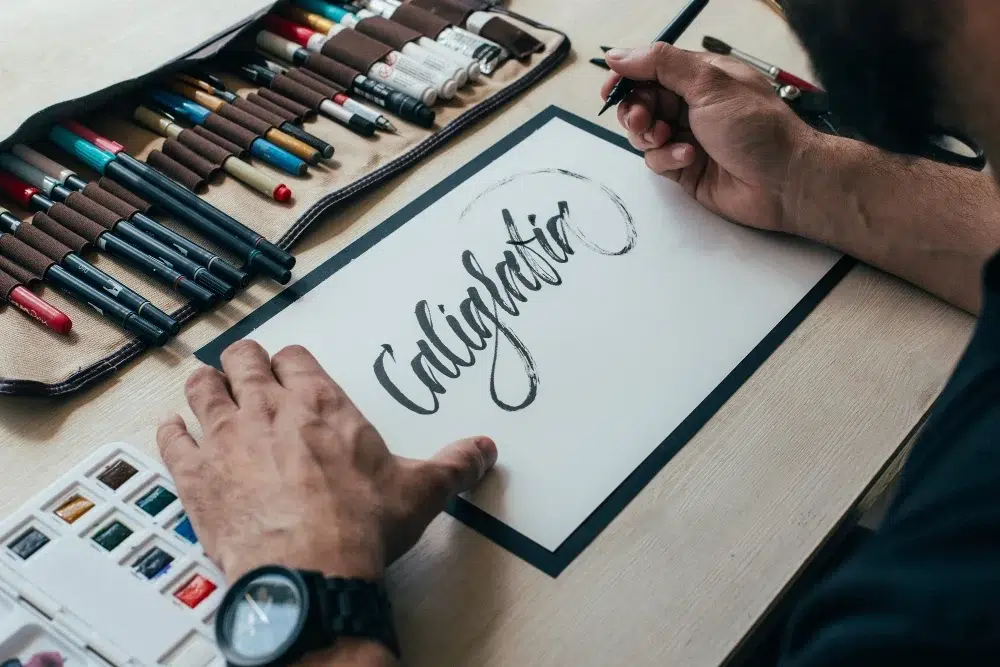
How Typography in Branding Influences Brand Perception
When people think about branding, the first thing that comes to mind is logos, colours, or taglines. But there’s another powerful element that quietly shapes how your brand is perceived.
That is typography. The fonts you choose, how they’re styled, and how consistently they’re used can significantly influence how your audience feels about your business.
From conveying professionalism to evoking creativity or trust, typography in branding plays a major role in building a strong visual identity, making it a crucial element for any branding agency in India aiming to create impactful and memorable brand experiences.
It’s about communicating your brand’s personality. In this blog, we’ll explore how typography impacts perception and share practical tips for effectively choosing typography for your brand.
What is Typography in Branding?
Typography defines the artistic nature of text's style, arrangement, and appearance. This includes the fonts you select, the sizes of those fonts, the spacing used between letters, and how you align them.
Good use of typography in branding enhances clarity and consistency across all platforms including your website, social media, product packaging, and advertisements.
Developing a strong brand guide typography ensures consistency, making your brand more recognizable and professional.
Why Typography Matters in Branding
Typography directly influences how your audience perceives your brand.
1. Creates First Impressions
The type of font used by your brand can quickly convey whether it is modern, classic, youthful, or serious. A well-designed brand identity typography establishes this before any text is read.
2. Builds Brand Recognition
Using the same typography consistently helps customers recognize your brand over time and associate specific visual elements with it.
3. Enhances Readability and User Experience
Clear, easy-to-read typography improves user experience. Readability is a key factor when choosing typography for your brand and directly impacts engagement.
4. Communicates Brand Personality
Typography visually represents your brand’s personality. Bold and clean fonts convey confidence, while script fonts often appear elegant or creative.
Including typography in your brand’s style guide is essential to maintain a consistent tone and identity.
Types of Typography and Their Impact
Different font styles evoke different emotions and perceptions. Understanding these helps in choosing typography effectively.
Serif Fonts
Serif fonts have decorative strokes at the ends of letters and are associated with tradition, reliability, and professionalism.
Sans-Serif Fonts
Clean and modern, these fonts are widely used in digital branding and convey simplicity, clarity, and innovation.
Script Fonts
These mimic handwriting and feel elegant, creative, or personal, commonly used in lifestyle and luxury branding.
Display Fonts
Display fonts are bold and attention-grabbing, best used for headlines, headers, or logos.
Choosing the right font combinations is key to building effective brand identity typography.
Key Factors to Consider When Choosing Typography
1. Align with Brand Personality
Typography should reflect your brand’s tone and values. A tech brand may use modern fonts, while a luxury brand may opt for elegant styles.
2. Prioritize Readability
No matter how stylish a font is, it must be easy to read. Poor readability can reduce engagement and affect user experience.
3. Maintain Consistency
Using too many fonts can make your brand look unprofessional. Most brands stick to 2–3 fonts for a clean and cohesive identity.
4. Consider Digital and Print Compatibility
Typography should work well across both digital and print formats to ensure consistency in all brand materials.
5. Create a Typography Hierarchy
A typographic hierarchy helps guide readers through content by structuring headings, subheadings, and body text effectively.
The Role of Typography in Brand Consistency
Brand consistency depends heavily on proper typography usage. A strong brand guide typography outlines font styles, sizes, spacing, and usage rules.
Following these guidelines ensures consistency across all touchpoints, reinforcing brand trust and recognition.
Common Mistakes to Avoid
Common typography mistakes include using too many fonts, prioritizing style over readability, ignoring mobile responsiveness, and inconsistent usage across platforms.
Avoiding these helps maintain a strong and polished brand identity.
Conclusion
Typography may seem subtle, but it plays a powerful role in shaping brand perception and reinforcing identity.
By focusing on readability, consistency, and alignment with brand personality, businesses can make smarter typography choices.
A well-defined typography system enhances visual appeal and creates a cohesive, professional brand presence.
Effective typography in branding ultimately helps build a strong, recognizable identity that fosters trust and long-term customer connection.

